
Location: Iran
Saro Sculpture — Mahmoud Kohansal (Saro)
Sculptor based in Mashhad, Iran. Creator of the open-ended series «Ancient Myths of Iran» (اساطیر ایران کهنسال) — figurative stone and mixed-media works retelling Persian mythology, one episode at a time, forever in progress.
New episode every week — YouTube, Aparat and the official site:
https://sarorobat.github.io
محمود کهنسال سارو — پیکرتراش از مشهد؛ خالق سلسلهٔ بیپایان «اساطیر ایران کهنسال» — هر هفته قسمت تازه از آثار استاد سارو در یوتیوب، آپارات و سایت رسمی.
Sculpture series by Saro Sculpture (Mahmoud Kohansal) — open-ended, forever in progress. Each episode retells a figure from Persian mythology (Shahnameh and beyond) as a sculptural work. سلسلهٔ بیپایان تندیس از اساطیر ایران — هر قسمت، یک چهره از اساطیر پارسی. https://sarorobat.github.io
 “Garshasp | گرشاسب — مدل ۲۰ سلسله”
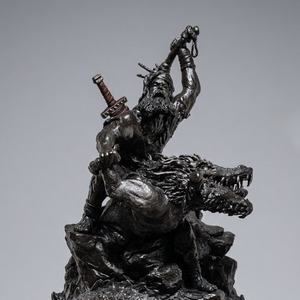
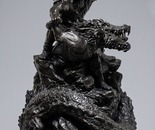
اثر شمارهٔ ۲۰ سلسلهٔ بیپایان «اساطیر ایران کهنسال» — گرشاسب؛ اژدهاکش جاودان و پاسدار رستاخیز. پهلوان تبار سام که در شاهنامه و متون پهلوی، دیو هیوشه را از پا درآورد و نامش در حماسه جاودانه شد. اثر استاد سارو (محمود کهنسال).
Work No. 20 of the open-ended series «Ancient Myths of Iran» — Garshasp, the eternal dragon-slayer of Persian epic. By Saro Sculpture (Mahmoud Kohansal). Full story with sources: https://sarorobat.github.io
 “Surena, Parthian Hero | سورنا — مدل ۲۵ سلسله”
اثر شمارهٔ ۲۵ از سلسلهٔ بیپایان «اساطیر ایران کهنسال» — سورنا؛ بزرگارتشتاران پارتی و فاتح حران؛ سرداری که با یکدهم قوا لشکر روم را در 53 پیش از میلاد درشکست کرد و نامش را دشمنان برایمان نگه داشتند. اثر استاد سارو (محمود کهنسال).
Surena (c. 84–53 BC) was the Parthian general who shattered Rome's pride at Carrhae — defeating an army of some 43,000 with a tenth of that number (Plutarch, Life of Crassus 21–33; Dio Cassius, Roman History 40). The sculpture renders him on rugged rock, banner with blazing sun raised, conical helmet with spiral featherwork modeled on the bronze Shami prince (National Museum of Iran). From the open-ended series «Ancient Myths of Iran» (اساطیر ایران کهنسال) by Iranian sculptor Mahmoud Kohansal «Saro» — Saro Sculpture. Full story with sources: https://sarorobat.github.io
Sources: Plutarch, Life of Crassus 21–33 · Dio Cassius 40 · Bronze Shami statue, National Museum of Iran · Encyclopaedia Britannica, “Surena”
 “Bahram V, Hunter-King | بهرام گور — مدل ۲۹ سلسله”
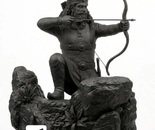
اثر شمارهٔ ۲۹ از سلسلهٔ بیپایان «اساطیر ایران کهنسال» — بهرام گور؛ شکارچی افسانهای ساسانی؛ تاج کنگرهدار با هلال و گوی کریپتوس، کمان تا زه و داستانهای آزاده و هفتپیکر. اثر استاد سارو (محمود کهنسال).
Bahram V (r. 420–438) — “Gur,” the onager — is the most storied Sassanid king: the hunter whose arrows wrote poetry. The sculpture catches him at full draw with the crenellated crown, crescent and globe documented in Sassanid royal iconography. Around him lives a whole library: Azadeh the harpist, the seven palaces of Nizami's Haft Peykar, chess at his court (Chatrang-namak), and Hafez's ghazal closing on the word “Azad.” From the open-ended series «Ancient Myths of Iran» (اساطیر ایران کهنسال) by Iranian sculptor Mahmoud Kohansal «Saro» — Saro Sculpture. Full story with sources: https://sarorobat.github.io
Sources: Shahnameh, Bahram chapters · Nizami, Haft Peykar · Chatrang-namak · Encyclopaedia Iranica, “BAHRĀM V” · CGIE
 “Mashya & Mashyana, First Couple | مشی و مشیانه — مدل ۲۴ سلسله”
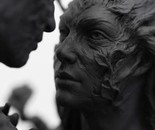
اثر شمارهٔ ۲۴ از سلسلهٔ بیپایان «اساطیر ایران کهنسال» — مشی و مشیانه؛ نخستین نیای آدمیان؛ زوجی که از یک گیاه روییدند و پدر و مادر جهان شدند. اثر استاد سارو (محمود کهنسال).
The Bundahishn (ch. 15, tr. E. W. West, SBE 5) tells how, after Gayomart's death, a plant rose and became two: Mashya and Mashyana — “be father and mother of the world.” The sculpture holds the couple inside the calyx of a giant plant, bodies still veined and leafed, two roses blooming where their waists meet, and sheathed clusters on the base — the “seven pairs and fifteen races” (b. 22–26) that grow from these two. (Documented honesty: mašya comes from the root “to die” — “the mortal.”) From the open-ended series «Ancient Myths of Iran» (اساطیر ایران کهنسال) by Iranian sculptor Mahmoud Kohansal «Saro» — Saro Sculpture. Full story with sources: https://sarorobat.github.io
Sources: Bundahishn ch. 15 (SBE 5) · Encyclopaedia Iranica, “GAYŌMARD” · Biruni, al-Athar al-Baqiya pp. 141–142 · Shahnameh v. 1
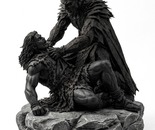 “Azhi-Dahak (Zahhak) | ضحاک ماردوش — مدل ۱۲ سلسله”
اثر شمارهٔ ۱۲ از سلسلهٔ بیپایان «اساطیر ایران کهنسال» — اژیدهاک (ضحاک ماردوش)؛ خشم بر دوش، صلابت بر اورنگ. دوازدهمین ایستگاه سفر حجمی در اعماق اساطیر کهن پارسی: جزئیات چهرهپردازی، خشم مارهای رسته بر دوش و صلابت نشسته بر اورنگ، در قالب خمیر و پیکره. اثر استاد سارو (محمود کهنسال).
Work No. 12 of the open-ended sculpture series «Ancient Myths of Iran» — Azhi-Dahak, the serpent-shouldered tyrant of the Shahnameh, enthroned. By Saro Sculpture (Mahmoud Kohansal). Full story: https://sarorobat.github.io
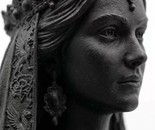 “Spandarmad, Angel of Earth | سپندارمذ — مدل ۲۶ سلسله”
اثر شمارهٔ ۲۶ از سلسلهٔ بیپایان «اساطیر ایران کهنسال» — سپندارمذ؛ ایزدبانوی زمین، فروتنی و عشق؛ جشن اسفندگان، کهنترین روز عشق، از آن اوست. اثر استاد سارو (محمود کهنسال).
Spandarmad (Avestan Spenta Armaiti) is the Amesha Spenta of the earth and devotion, praised in the Gathas (Yasna 30.7, 45.4); her festival Esfandegan is recorded by Biruni. The sculpture shows her hands raised in prayer upon a stone slab — the earth praying through the earth — beside the Ardibehesht fire altar standing directly on her soil. From the open-ended series «Ancient Myths of Iran» (اساطیر ایران کهنسال) by Iranian sculptor Mahmoud Kohansal «Saro» — Saro Sculpture. Full story with sources: https://sarorobat.github.io
Sources: Yasna 30.7, 45.4, 48.6 · Bundahishn 26.78 · Biruni, al-Athar al-Baqiya p. 229 · Encyclopaedia Iranica, “ARMATI” · Plutarch 23.5